Porcelain vs Ceramic Tile Bathroom Remodels East Tennessee
Ken · · 9 min read
Discover porcelain and ceramic tile benefits for bathroom remodels in East Tennessee with AAnchor Ceramic Tile LLC. Call Ken Hall for a free estimate today.
When you're planning a bathroom remodel in East Tennessee, one of the most important decisions is choosing the right tile material for your shower walls, floors, and other wet areas. Homeowners across Johnson City, Kingsport, Greeneville, and Jonesborough often ask Ken Hall at AAnchor Ceramic Tile LLC whether porcelain or ceramic tile is the better choice for a bathroom project. With 42 years setting tile and hundreds of completed bathroom remodels across the Tri-Cities, Ken writes every estimate in person and walks homeowners through the differences between these two materials—what they cost, how they hold up to moisture, and which one makes sense for your specific project and budget.
Understanding the Difference Between Porcelain and Ceramic Tile
Both porcelain and ceramic tile are made from clay that's fired in a kiln, but the manufacturing process, density, and water absorption rates differ. Porcelain tile is pressed at higher pressure and fired at higher temperatures than standard ceramic tile, which makes it denser and less porous. Ceramic tile, on the other hand, is typically less expensive and easier to cut on site, but it absorbs more moisture over time if the glaze is damaged or if it's used in an area where water exposure is constant.
For bathroom remodels in Johnson City and throughout East Tennessee, understanding these differences matters because showers, tub surrounds, and bathroom floors see daily water exposure, temperature swings during cold winters, and humidity during the warmer months. Ken evaluates every bathroom during the in-person estimate and recommends tile based on the specific location, substrate condition, and how the space will be used.
Porcelain Tile for Bathrooms: When Density and Durability Matter
Porcelain tile is classified by the Porcelain Enamel Institute as having a water absorption rate of 0.5 percent or less, which means it's highly resistant to moisture penetration. This makes it a strong choice for shower floors, shower walls, and any bathroom floor that sees consistent water exposure. In East Tennessee's climate—where freeze-thaw cycles can affect exterior tile and indoor humidity swings are common—porcelain's low absorption rate helps prevent cracking and expansion issues over time.
Benefits of Porcelain in Wet Areas
- Low water absorption: Porcelain resists moisture even if the glaze is chipped, making it ideal for shower pans and tub surrounds where water pools or sits.
- High durability: Porcelain holds up well under foot traffic and won't chip as easily as softer ceramic options, which is useful for bathroom floors in busy households.
- Stain resistance: The dense body of porcelain tile resists staining from soap, shampoo, and other bathroom products better than porous ceramic.
- Frost resistance: If you're considering tile for a mudroom, entryway, or enclosed porch near Jonesborough or Greeneville, porcelain's density helps it withstand freeze-thaw cycles without cracking.
Ken's four-person crew has installed porcelain tile in bathrooms throughout the Tri-Cities, from modern walk-in showers in Tree Streets neighborhoods of Johnson City to classic subway tile tub surrounds in older homes near downtown Jonesborough. Porcelain typically costs more per square foot than ceramic, but the long-term performance in wet environments often justifies the investment, especially for full bathroom remodels where the tile scope includes the shower floor, walls, and main floor.
Ceramic Tile for Bathrooms: Cost-Effective and Versatile
Ceramic tile has been the standard choice for bathroom walls and floors for decades, and it remains a practical option when properly waterproofed and installed. Ceramic tile is glazed to create a waterproof surface, and as long as the glaze remains intact and the substrate behind it is properly waterproofed, ceramic performs well in most residential bathroom applications. It's less expensive than porcelain, easier to cut and shape on site, and available in a wide range of colors, sizes, and finishes that fit traditional and contemporary bathroom styles.
When Ceramic Tile Makes Sense
- Shower walls above the pan: Ceramic tile works well on vertical surfaces where water doesn't pool, especially when paired with proper waterproofing membranes on the wet walls.
- Bathroom floors in low-moisture areas: In powder rooms or bathrooms with good ventilation and limited shower use, ceramic flooring can perform well at a lower cost than porcelain.
- Budget-conscious remodels: Ceramic tile allows homeowners to get a quality tile finish within a tighter budget, especially on projects where the tile scope is smaller or the bathroom sees moderate use.
- Decorative wall tile: Accent walls, backsplashes behind vanities, and niche interiors often use ceramic tile because the decorative glazes and hand-painted finishes are more common in ceramic than in porcelain.
AAnchor Ceramic Tile LLC completes typical bathroom tile projects in the $8,000–$15,000 range, with smaller work—such as a standalone shower floor or a tub surround—starting around $2,000. Material cost is one factor in that pricing, and ceramic tile can help keep a project within budget while still delivering a professionally installed, waterproofed bathroom that will last for years.
Waterproofing: The Critical Step Regardless of Tile Type
Whether you choose porcelain or ceramic tile for your bathroom remodel in Kingsport or Greeneville, proper waterproofing is non-negotiable. Ken's crew applies waterproofing membranes to wet walls and shower floors before any tile goes up. This protects the substrate—whether it's cement board, fiber-cement backer, or another approved material—from moisture that can lead to mold, rot, and structural damage over time.
Even the densest porcelain tile won't prevent water from reaching the wall cavity if the waterproofing layer behind it fails. That's why AAnchor Ceramic Tile LLC treats every shower pan, tub surround, and wet-area floor with the same level of care, using membranes and best-practice installation methods that meet current building standards. During the in-person estimate, Ken walks homeowners through the waterproofing plan and explains how it integrates with the tile layout, grout joints, and any built-in features like niches or benches.
Choosing Between Porcelain and Ceramic for Your East Tennessee Bathroom
The right tile for your bathroom depends on several factors: how the space will be used, your budget, the condition of the existing substrate, and your design preferences. Ken evaluates all of these during the free in-person estimate and provides a written quote within 24 to 48 hours that specifies the tile type, waterproofing approach, and project timeline.
Questions Ken Asks During the Estimate
- Is this a primary bathroom or a guest bath? High-use showers benefit from porcelain's durability and stain resistance.
- What's the current substrate condition? If demo and substrate repair are needed, the tile choice may shift based on what the floor or walls can support.
- Do you want a custom layout or standard grid? Ceramic tile is easier to cut for intricate patterns, while large-format porcelain suits clean, modern designs with minimal grout lines.
- Are you planning a tub-to-shower conversion? Porcelain is often the go-to for new shower pans because of its moisture resistance and long-term performance under daily use.
- What's your timeline and budget? Ceramic tile can speed up installation slightly and reduce material cost, which matters when the project needs to stay within a set budget or finish before a household event.
Homeowners near the Tree Streets in Johnson City, the Historic District in Jonesborough, or older neighborhoods around downtown Kingsport often have unique bathroom layouts, tight spaces, or aging plumbing that affects tile choices. Ken's 42 years of experience means he's worked in all kinds of homes—from mid-century ranches to new construction—and he tailors every tile recommendation to the specific conditions he sees on site.
Porcelain vs. Ceramic for Tub-to-Shower Conversions
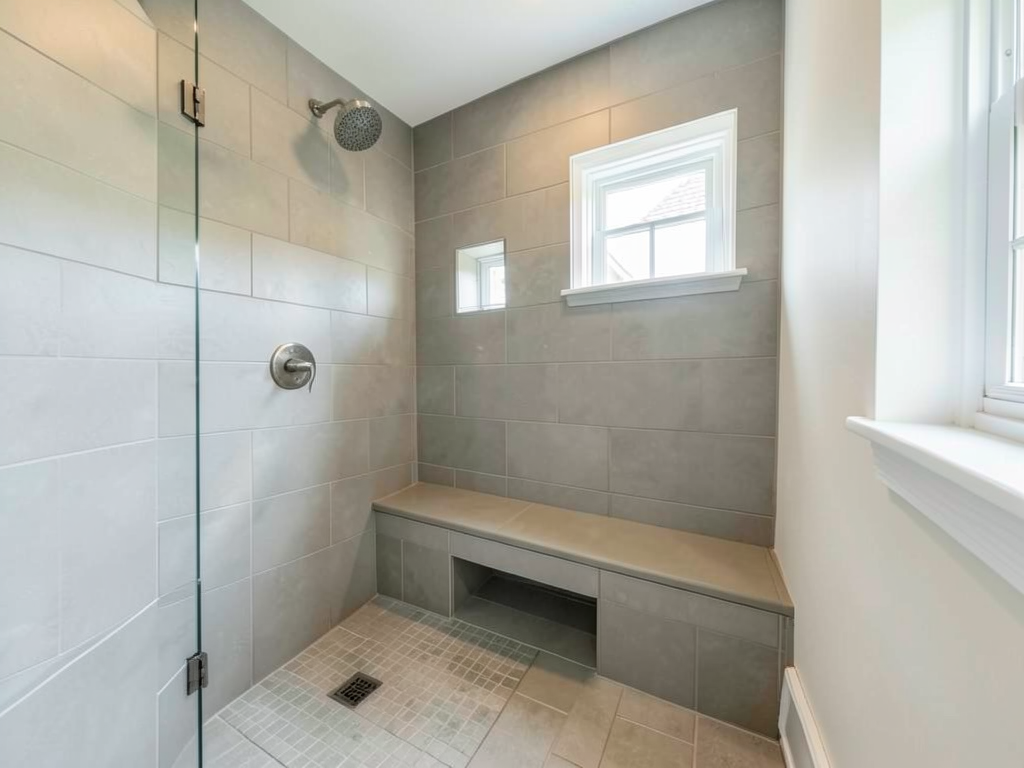
One of the most common bathroom projects AAnchor Ceramic Tile LLC completes is the tub-to-shower conversion, where an old bathtub is removed and replaced with a tiled walk-in shower. This project involves demolition, new shower pan installation, waterproofing, and full wall and floor tile work. For tub-to-shower conversions in Johnson City and the surrounding Tri-Cities, Ken typically recommends porcelain tile for the shower floor because of its density, slip resistance, and ability to handle daily water exposure without absorbing moisture into the tile body.
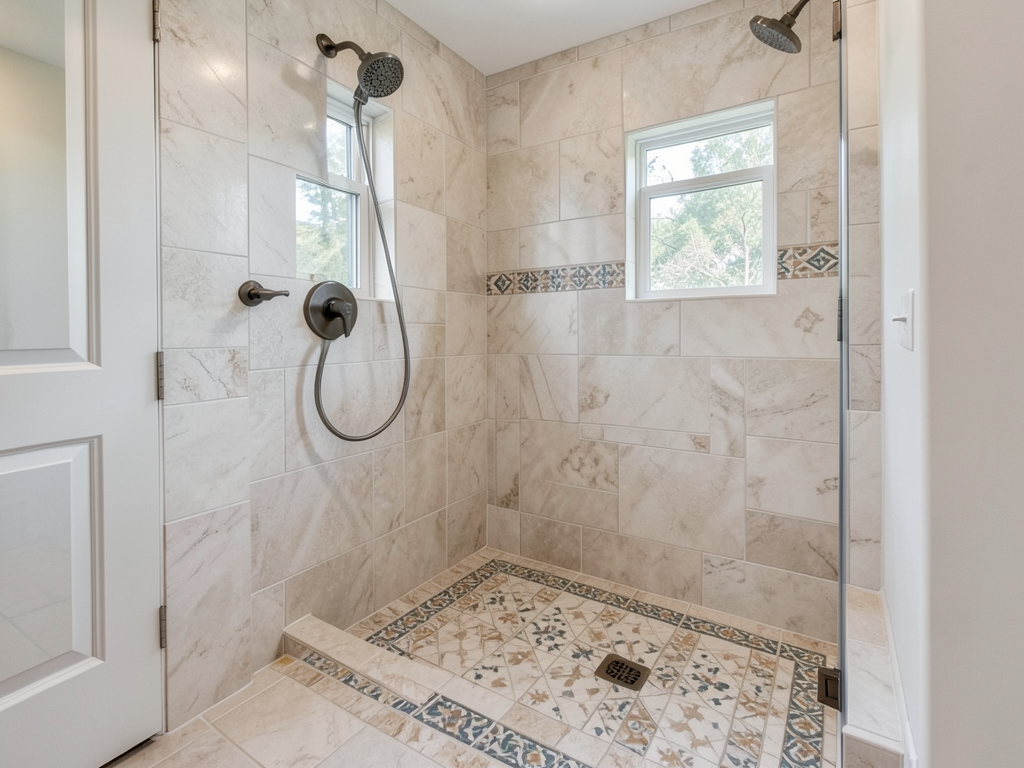
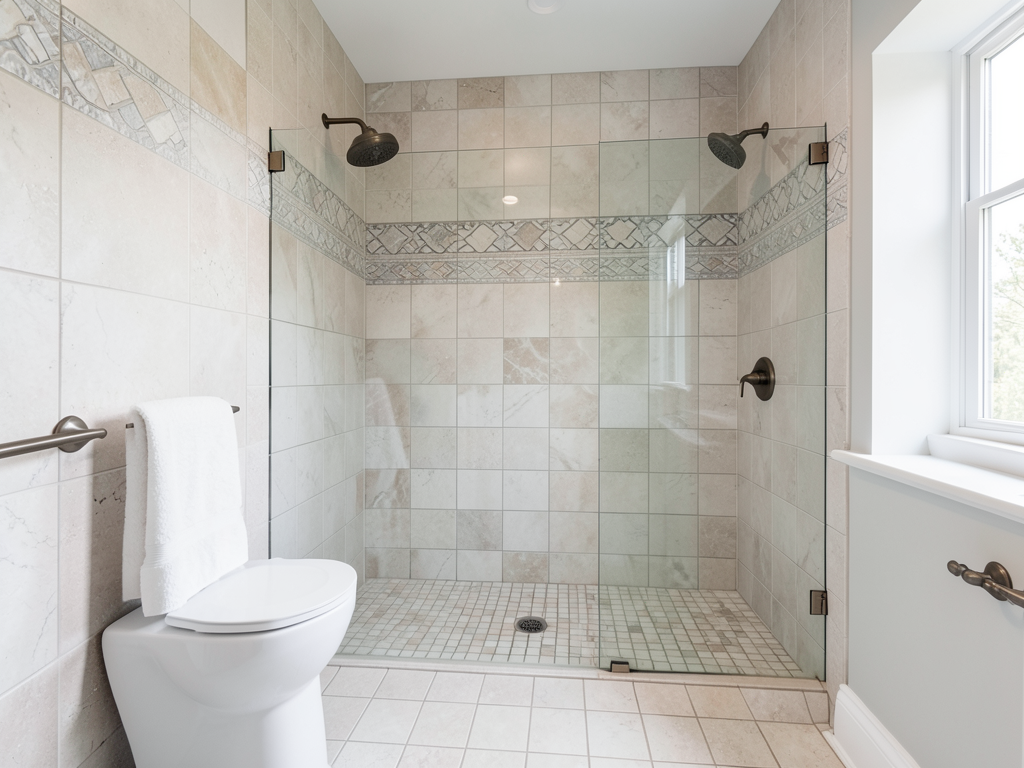
Shower walls can use either porcelain or ceramic, depending on budget and design goals. Porcelain offers a uniform look when the same tile is used on the floor and walls, and it simplifies maintenance since the material properties are consistent throughout the shower. Ceramic wall tile, especially in subway or large-format styles, remains a popular and cost-effective choice for vertical surfaces where water runs off rather than pooling.
If you're considering a tub-to-shower conversion, Ken will measure the existing space, discuss waterproofing and substrate needs, and provide a written estimate that breaks down the tile material, labor, demo, and haul-off costs. The crew completes most conversions in about a week, and the shop works in occupied homes—locking doors, setting alarms, and hauling debris at the end of each day.
Maintenance and Long-Term Performance
Both porcelain and ceramic tile are low-maintenance compared to other bathroom finishes, but their long-term performance depends on proper installation, grouting, and sealing. Porcelain tile requires minimal sealing because the tile body itself is so dense, though grout joints should still be sealed to prevent staining and moisture penetration. Ceramic tile benefits from occasional resealing, especially in high-moisture areas, to keep the glaze intact and prevent water from reaching the substrate.
Ken's crew uses quality grout and caulk products, applies them correctly, and ensures that all transitions—such as where tile meets a tub, curb, or floor drain—are properly sealed. This attention to detail during installation reduces the need for repairs and keeps the bathroom looking clean and performing well for years.
Local Considerations: Climate, Water Quality, and Home Age
East Tennessee's climate includes humid summers, cold winters, and occasional freeze-thaw cycles that can affect tile performance, especially on exterior applications like porch tile or enclosed entryways. For interior bathrooms, the main concern is moisture control, and both porcelain and ceramic tile handle that well when paired with proper ventilation, waterproofing, and grout sealing.
Homes in Greeneville, Kingsport, and Jonesborough vary in age and construction, and older homes may have settling, plumbing quirks, or substrate conditions that require additional prep work before tile installation. Ken evaluates all of this during the estimate and notes any substrate concerns that could affect the tile choice or project cost. His crew has completed tile renovations in occupied homes throughout the Tri-Cities, and they know how to work around furniture, lock up at the end of the day, and keep disruption to a minimum.
Visiting the Jonesborough Tile Showroom
If you want to see tile samples, compare porcelain and ceramic options, and discuss your bathroom remodel in person, Ken runs a tile showroom at Anchor Distribution, 701 West Jackson Blvd, Suite 2, in Jonesborough. The showroom displays tile, waterproofing products, and installation tools, and it's a useful stop before or after your in-person estimate. Ken can show you how different tile sizes, finishes, and colors look under various lighting conditions, and he'll answer questions about durability, cost, and installation timelines.
Installation contracts and project scheduling stay with AAnchor Ceramic Tile LLC at 884 Conklin Rd, and Ken handles all estimates Monday through Friday, with some Saturday visits when he can make it work. He aims to answer calls and emails within one hour, and most written estimates are delivered within 24 to 48 hours.
Get a Free In-Person Estimate from Ken Hall
Choosing between porcelain and ceramic tile for your bathroom remodel doesn't have to be complicated. Ken Hall has been setting tile for 42 years, and he'll walk you through the options, explain the trade-offs, and provide a clear written estimate that covers material, labor, waterproofing, demo, and haul-off. AAnchor Ceramic Tile LLC serves Jonesborough, Johnson City, Kingsport, Greeneville, and the surrounding 50-mile radius, and the shop completes typical bathroom tile projects in the $8,000–$15,000 range, with smaller work starting around $2,000.
Whether you're planning a full bathroom remodel, a tub-to-shower conversion, or a tile renovation in your occupied home, the crew at AAnchor Ceramic Tile LLC works to your schedule, keeps the job site clean, and completes the work on time and at the quoted price. The shop holds a 5.0 rating on Porch from 24 reviews, with homeowners naming Ken and his son Josh for professional shower installs and clear communication from estimate to completion.
To schedule your free in-person estimate, call (423) 270-9136, email aanchorceramictile@gmail.com, or book online at https://aanchorceramictile.com/book. You can also visit the contact page to submit a project inquiry. Ken will measure your bathroom, discuss tile options, and provide a written quote within 24 to 48 hours—no pressure, just honest pricing and four decades of tile experience.
Start with a free in-person estimate
Free in-person estimates. Ken answers within 1 hour. Typical write-up in 24–48 hours.
Get a Free Estimate