Waterproof Shower Walls in East Tennessee
Ken · · 11 min read
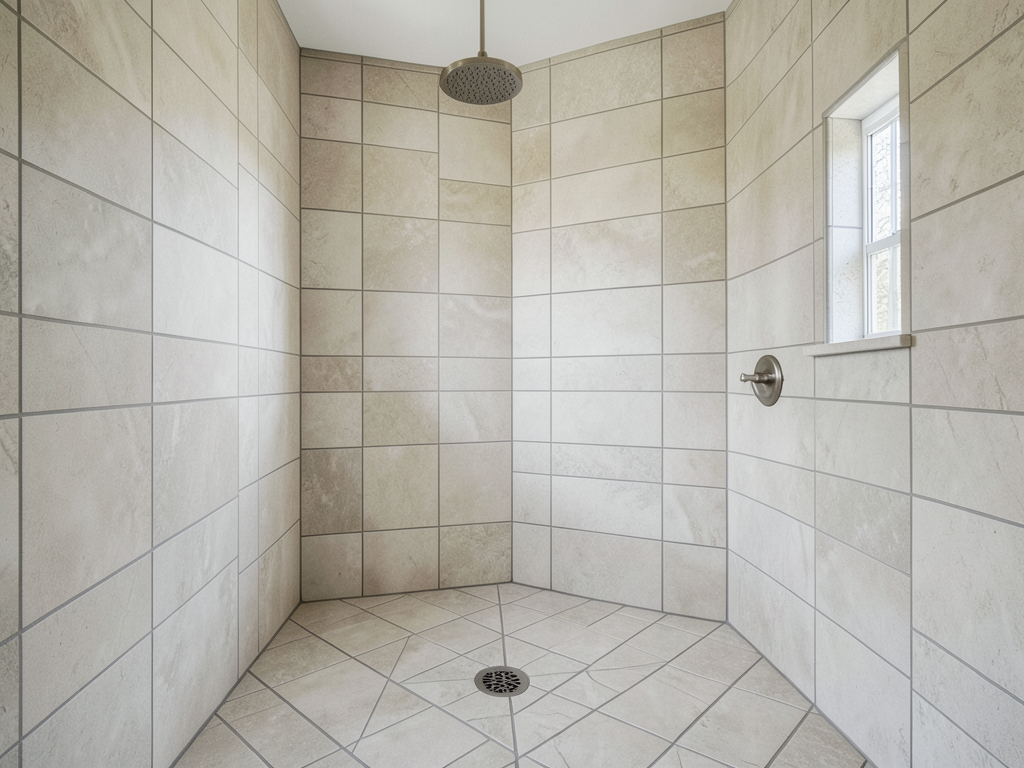
Discover waterproof shower wall solutions in East Tennessee with AAnchor Ceramic Tile LLC. Call Ken Hall for your bathroom remodel estimate today.
When cold East Tennessee winters give way to spring thaw cycles, homeowners across Jonesborough and the Tri-Cities begin noticing what moisture can do to an unprotected bathroom. Cracked grout, loose tiles, and soft spots around the tub tell a clear story: the waterproofing behind the tile has failed. For forty-two years, Ken Hall and his crew at AAnchor Ceramic Tile LLC have built bathroom remodels and tub-to-shower conversions on a single principle—membrane first, tile second. From historic neighborhoods near downtown Jonesborough to ranch homes along the Kingsport Highway, Ken's method has stayed the same: measure in person, write the estimate himself, and install every wet wall with a continuous waterproof barrier before the first tile goes up.
Why Waterproofing Shower Walls Matters in East Tennessee Bathrooms
East Tennessee sits in a climate zone where freeze-thaw cycles, high summer humidity, and sudden temperature swings test every building assembly. When water migrates through tile and grout into drywall or wood framing, it does not evaporate quickly in our humid summers and it freezes during winter cold snaps. The result is mold, rot, and structural damage that often goes unnoticed until a remodel uncovers black studs and sagging subfloors.
Waterproofing is the membrane or coating applied to the wall substrate before tile installation. It blocks liquid water while allowing vapor to move through the assembly. In a shower, that membrane runs continuously from the curb to the ceiling, laps over the shower pan, and seals every penetration—valve stems, mixing-valve bodies, and shower-arm elbows. Ken Hall has seen hundreds of tear-outs where previous installers skipped the membrane or used a porous backer board alone, and the damage is always the same: studs rotted at the base, insulation matted with mold, and tile that pops loose because the substrate beneath it has turned to pulp.
What Happens When Shower Walls Are Not Waterproofed
- Water enters the wall cavity through grout joints, cracks at inside corners, and gaps around valve trim, soaking drywall, studs, and insulation.
- Mold grows behind the tile in dark, damp cavities where airflow is minimal and moisture never fully dries.
- Wood framing rots at the sill plate, studs, and blocking, compromising structural integrity and requiring expensive carpentry before new tile can be installed.
- Tile debonds and cracks as the substrate softens, swells, and moves, breaking the bond between thinset and backer board.
- Subfloor damage extends the scope when water runs down inside the wall and pools under the shower pan, rotting plywood and floor joists.
Ken's demo and haul-off service routinely uncovers these conditions in homes throughout Johnson City, Kingsport, and Greeneville. The cost to repair framing, replace subfloor, and rebuild a wet wall always exceeds the cost of doing the waterproofing correctly the first time.
How AAnchor Ceramic Tile LLC Waterproofs Shower Walls and Floors
AAnchor Ceramic Tile installs a continuous waterproof membrane on every wet wall and shower floor before setting a single tile. Ken trains his four-person crew on the same methods he has refined over forty-two years, and the process does not vary from job to job. The membrane choice depends on substrate type, shower layout, and the presence of niches or benches, but the principle remains constant: create an unbroken barrier from the shower pan to the ceiling and seal every penetration.
Surface-Applied Liquid Membranes
Liquid-applied waterproofing membranes are troweled or rolled onto cement backer board, allowed to cure, and then tiled over with standard thinset. These membranes are ideal for complex layouts with inside and outside corners, curbs, niches, and benches because the liquid conforms to any shape and bonds directly to the substrate. Ken uses liquid membranes when the shower includes a custom niche or when the wall geometry requires multiple angle changes.
The liquid is applied in two coats with reinforcing fabric embedded at seams, corners, and penetrations. The result is a seamless rubber-like coating that flexes with minor movement and blocks liquid water while remaining vapor-permeable. After the membrane cures—typically twenty-four hours—the wall is ready for tile.
Sheet Membranes with Integrated Fabric and Adhesive
Sheet membranes consist of a polyethylene or polypropylene core with a bonded fleece or fabric face that accepts thinset. These sheets are cut to fit the wall, applied with thinset or proprietary adhesive, and lapped at seams to create a continuous barrier. Sheet membranes install faster than liquid systems on simple rectangular showers and provide immediate readiness for tile once the adhesive sets.
Ken's crew uses sheet membranes when the shower is a straightforward three-wall alcove without niches or complex angles. Seams are overlapped by at least two inches, and corners receive preformed inside and outside fittings. Penetrations are sealed with rubber gaskets or collars that bond to the sheet and clamp around valve stems.
Shower Pan Waterproofing Before Floor Tile
The shower floor receives its own waterproof layer, independent of the wall membrane but lapped and sealed to it at the curb and wall transitions. Traditional pan liners are forty-mil PVC sheets that sit beneath a mortar bed and slope to the drain. Modern foam pans with integrated membranes offer faster installation and consistent slope. Both systems work, and Ken selects the method based on floor height, drain type, and the client's timeline.
The pan membrane or liner must rise at least six inches above the curb and lap behind the wall membrane. This overlap ensures that water cannot migrate between the two systems. Ken's crew tests every pan with a flood test—filling the base to the top of the curb and letting it sit for twenty-four hours—before proceeding with floor tile. Any drop in water level indicates a leak that must be repaired before tile goes down.
Bathroom Remodel Waterproofing in Johnson City and Kingsport
AAnchor Ceramic Tile completes most bathroom remodels in occupied homes, which means the scope must be tightly defined and the work area secured each day. Ken writes every estimate in person after measuring the space, inspecting the substrate, and discussing tile selection, niche placement, and any structural concerns. Typical bathroom tile projects run between eight thousand and fifteen thousand dollars, with the waterproofing and substrate preparation included in that price.
Homeowners near downtown Johnson City's tree-lined streets and in the established neighborhoods off North Roan Street often ask Ken to remodel hall baths and master suites in homes built in the 1960s and 1970s. These bathrooms frequently have drywall installed directly over studs with no moisture barrier, and the existing tile has been leaking for years. Ken's crew removes the old tile, inspects the framing, replaces any damaged wood, installs cement backer board on the walls, applies the waterproof membrane, and then sets the new tile. The haul-off is included in the scope, and the crew locks the door and sets the alarm each evening if the homeowner is at work.
Tub to Shower Conversion with Full Wet-Wall Waterproofing
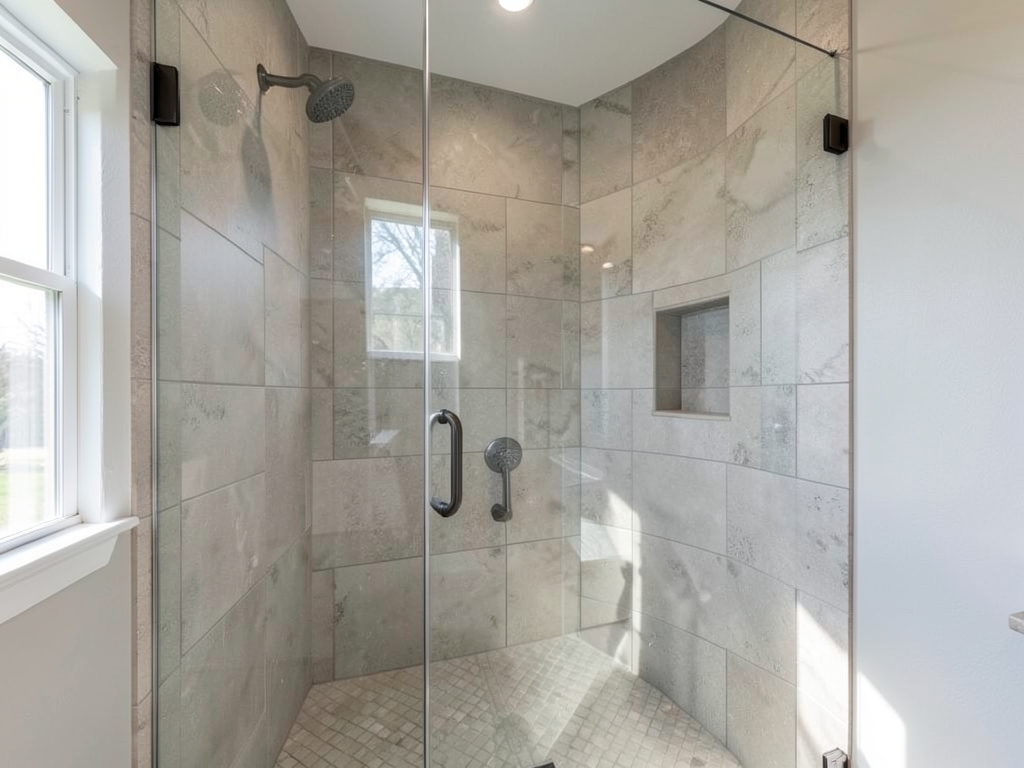
A tub-to-shower conversion eliminates the old tub, builds a curbless or low-threshold shower pan, and tiles the walls and floor with full waterproofing on all wet surfaces. Ken removes the tub, adjusts the drain rough-in if needed, installs the new shower pan with integrated or separate waterproofing, and brings the wall membrane down to lap over the pan flange. The result is a walk-in shower that handles East Tennessee's humidity and freeze-thaw cycles without leaking.
Residents in Kingsport's Colonial Heights neighborhood and near Warrior's Path State Park have asked Ken to convert dated tub-shower combinations into modern walk-in showers with bench seating, recessed niches, and large-format porcelain tile. The waterproofing on these conversions is the same as a new-construction shower: continuous membrane on every wet wall, sealed penetrations, and a flood-tested pan before any tile is set.
Visit our tub-to-shower conversion service page to see how the process works and what to expect during the estimate visit.
Tile and Waterproofing Material Selection for Wet Rooms
The tile you choose affects how the waterproofing is detailed, especially at inside corners, window sills, and niche openings. Large-format porcelain planks minimize grout joints and speed installation, but they require flat substrates and careful layout to avoid lippage. Small mosaics offer design flexibility and excellent traction on shower floors, but they require more grout and take longer to install.
Porcelain Tile for Low Absorption and Freeze Resistance
Porcelain tile absorbs less than 0.5 percent of its weight in water, making it ideal for East Tennessee bathrooms and outdoor porch applications where freeze-thaw is a concern. The low absorption rate means water cannot enter the tile body, freeze, and crack the tile from within. Ken stocks hundreds of porcelain tile options at the Anchor Distribution showroom on West Jackson Boulevard in Jonesborough, where homeowners can see full-size samples, compare finishes, and discuss layout options before the estimate visit.
Ceramic Tile for Interior Wet Walls and Shower Surrounds
Ceramic tile absorbs more water than porcelain but remains a cost-effective and durable choice for interior shower walls when installed over a continuous waterproof membrane. The membrane does the work of keeping water out of the wall cavity, so the tile's absorption rate becomes less critical. Ken uses ceramic tile on many bathroom remodels in Greeneville and Johnson City where homeowners want classic subway patterns, decorative borders, or handmade artisan finishes that are not available in porcelain.
Waterproofing Membranes and Substrate Compatibility
The membrane must bond to the substrate, whether that substrate is cement backer board, exterior-grade plywood, or a foam shower pan. Ken does not install tile over drywall in wet areas, and he does not rely on mastic or organic adhesives in showers. Cement backer board provides a stable, dimensionally consistent surface that accepts both liquid and sheet membranes, and it will not rot or swell when wet.
Some remodels require additional blocking in the walls for grab bars, corner shelves, or fold-down benches. Ken notes these requests during the estimate visit and coordinates with the homeowner to have blocking installed before his crew arrives. Grab bars cannot be installed securely into tile and backer board alone; they require solid wood or steel blocking behind the wall.
Seasonal Considerations for Bathroom Tile and Waterproofing in the Tri-Cities
Spring and fall are the busiest seasons for bathroom remodels in Jonesborough, Johnson City, Kingsport, and Greeneville. Homeowners use the mild weather to air out the house during demolition and to schedule work around summer vacations or winter holidays. Ken's crew works year-round, but the estimate calendar fills quickly in April, May, September, and October.
Winter remodels are feasible when the work is indoors and the house remains heated. The crew locks doors, runs space heaters if needed to maintain thinset cure temperatures, and completes the haul-off before snow or ice makes driveway access difficult. Summer heat accelerates thinset and grout cure times, so the crew adjusts mixing ratios and schedules tile-setting early in the day to avoid working in un-air-conditioned bathrooms during peak afternoon temperatures.
Freeze-Thaw and Exterior Porch Tile
Porch tile and masonry-related tile work require freeze-thaw-rated porcelain and proper slope for drainage. Ken discusses these requirements during the site visit and includes them in the written estimate. Tile installed on outdoor porches in East Tennessee must be rated for freeze-thaw resistance, set on a sloped mortar bed or concrete slab, and grouted with a flexible, freeze-resistant grout. Waterproofing membranes are not typically used outdoors, but the substrate must be sound, sloped, and sealed to prevent water intrusion into the structure.
What to Expect During Your Free In-Person Estimate
Ken Hall writes every estimate in person after visiting your home, measuring the bathroom, and discussing your goals for the remodel. He arrives with a tape measure, notepad, and camera to document existing conditions, substrate type, and any structural concerns that will affect the tile scope. The visit typically lasts thirty to sixty minutes, and Ken answers questions about tile choice, waterproofing methods, niche placement, and project timeline.
After the visit, Ken prepares a written estimate that outlines the scope of work, materials, labor, and total cost. Typical estimates are delivered within twenty-four to forty-eight hours. The estimate includes demo and haul-off, substrate preparation, waterproofing on all wet walls and the shower floor, tile setting, grouting, and caulking at changes of plane. It does not include plumbing rough-in, glass enclosure installation, or fixture supply unless those items are specifically added to the scope during the estimate discussion.
Ken aims to answer calls and emails within one hour during business hours, Monday through Friday. Estimate visits are scheduled Monday through Friday, with some Saturday appointments when Ken can make it work. The shop does not offer financing, but the estimate is free and there is no obligation to proceed.
Why AAnchor Ceramic Tile LLC Is the Right Choice for Waterproofed Tile Showers
AAnchor Ceramic Tile LLC has set tile in the Tri-Cities for forty-two years. Ken Hall still measures every job in person, writes every estimate himself, and trains the four-person crew that installs your tile. The company holds a 5.0 rating on Porch from twenty-four reviews, with customers naming Ken and Josh for completing shower installs on time and at the quoted price. The Jonesborough tile showroom at Anchor Distribution, 701 West Jackson Boulevard, Suite 2, displays tile samples, waterproofing products, and installation tools so you can see the materials before your estimate visit.
Installation work stays with AAnchor Ceramic Tile LLC at 884 Conklin Road in Jonesborough. The company serves a fifty-mile radius that includes Johnson City, Kingsport, Greeneville, and the smaller communities in between. Typical bathroom tile projects cost between eight thousand and fifteen thousand dollars, with a floor around two thousand dollars for smaller jobs. The crew works in occupied houses, locks doors, sets alarms, and hauls debris daily.
Explore more about our approach to quality tile work on our bathroom remodel service page, or review completed projects in our gallery.
Schedule Your Free Estimate for a Waterproofed Tile Shower
If your bathroom shows signs of water damage, or if you are planning a remodel and want tile installed correctly the first time, call Ken Hall at AAnchor Ceramic Tile LLC. Every estimate begins with an in-person visit where Ken measures your space, discusses your tile preferences, and explains the waterproofing system his crew will install. You will receive a written estimate within twenty-four to forty-eight hours that details the scope, materials, and cost with no surprises.
Call (423) 270-9136, email aanchorceramictile@gmail.com, or book your estimate online at aanchorceramictile.com/book. Ken answers within one hour during business hours, and estimates are scheduled Monday through Friday with some Saturday visits. Get your bathroom remodel, tub-to-shower conversion, or tile renovation started with a crew that has been setting tile in East Tennessee since 1983.
Start with a free in-person estimate
Free in-person estimates. Ken answers within 1 hour. Typical write-up in 24–48 hours.
Get a Free Estimate